Skip to content

Pilot Initiative

Flooding, Mental Health & Community Preparedness Pilot – Clara Town

A two-day community pilot implemented April 14–15, 2026, linking flood preparedness, environmental awareness, psychosocial wellbeing, and practical community action.

Location: Clara Town Community, Monrovia, LiberiaDates: April 14–15, 2026Status: Pilot InitiativeLead: CRAF

Pilot Overview

Connecting flood risk, mental wellbeing, and community preparedness

The Center for Research and Advocacy Foundation, CRAF, implemented a two-day pilot initiative in Clara Town Community to strengthen community understanding of flooding, mental health, psychosocial wellbeing, and practical preparedness.

The pilot created space for community residents and local leadership to discuss local flood risks, environmental factors that contribute to flooding, the effects of flooding on individuals and families, and practical actions that households and communities can take before and during flood events.

CRAF designed the pilot to address both the physical and psychosocial dimensions of flooding. It also provided early implementation experience that is informing a more structured community-led flood and environmental resilience model.
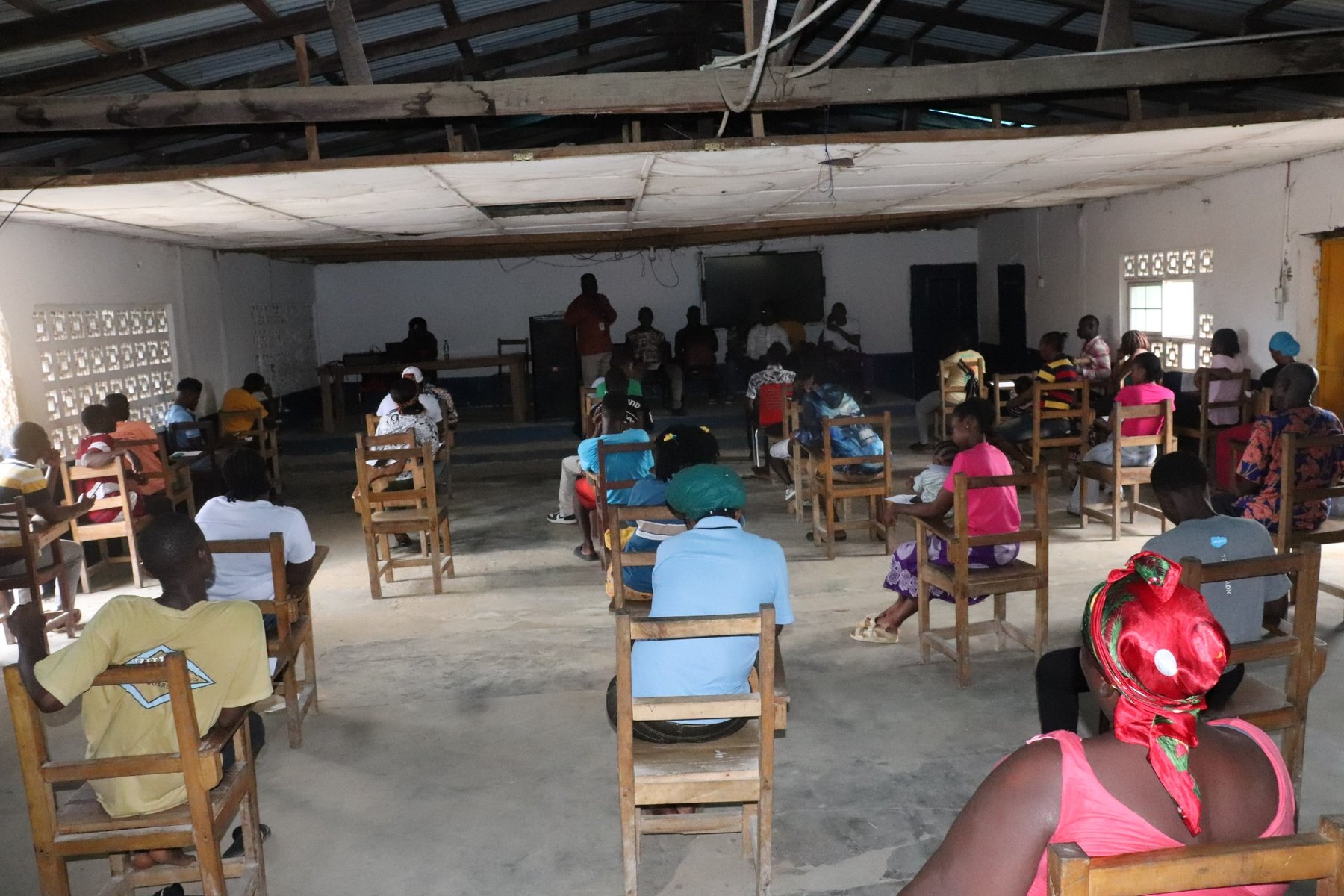
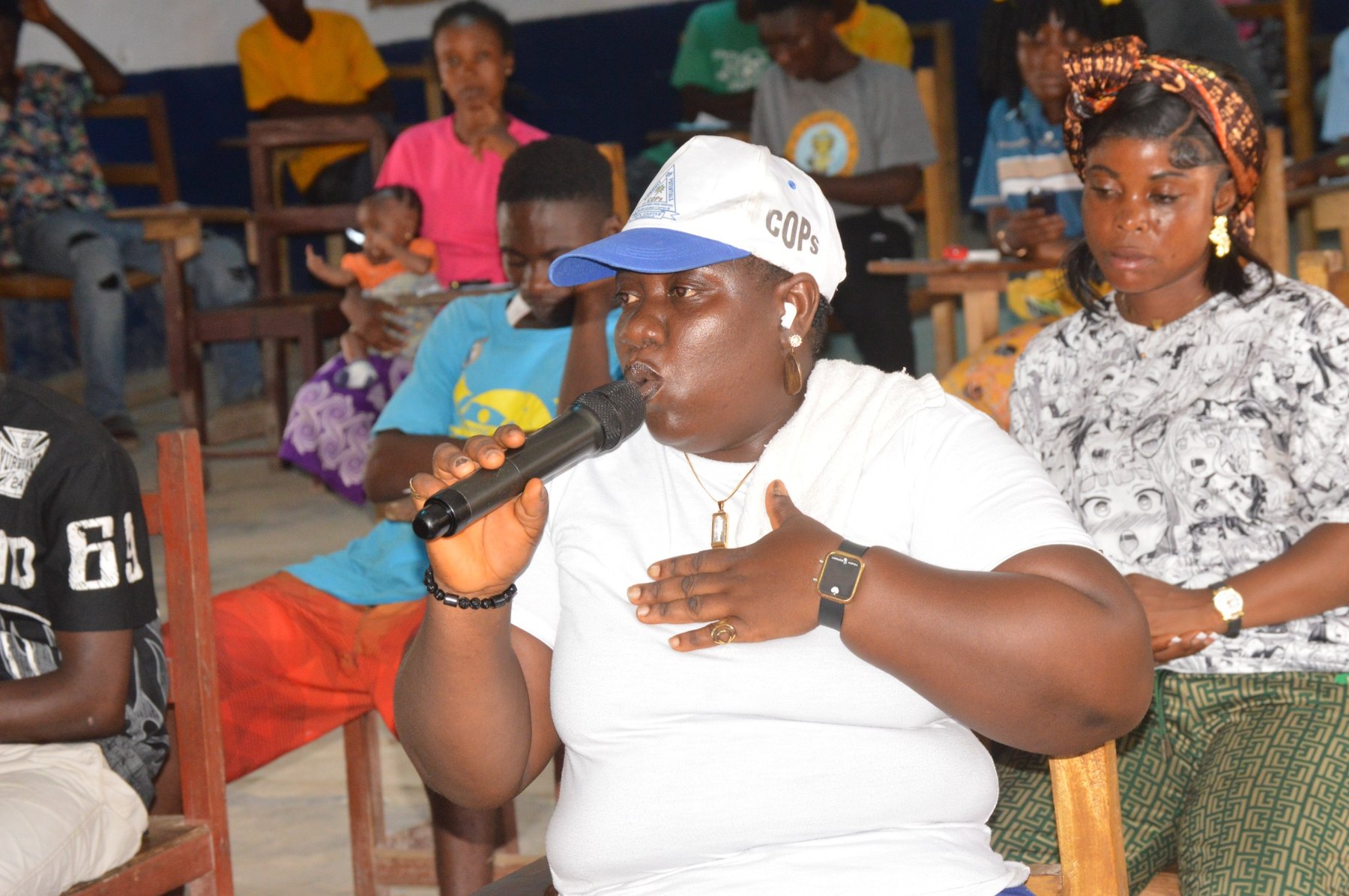
Two-Day Engagement

Participatory learning and community dialogue

Across the two days, CRAF combined structured awareness, experience sharing, questions and answers, role play, practical problem-solving, and community reflection.

Understanding Flood Risk

Participants explored what flooding is and discussed common drivers such as heavy rainfall, blocked drainage, poor waste disposal, and low-lying areas.

Mental Health & Psychosocial Wellbeing

The sessions connected flooding with fear, anxiety, stress, sadness, trauma, sleep problems, family tension, isolation, and other psychosocial pressures.

Preparedness & Community Support

Participants discussed keeping drainage clear, avoiding garbage dumping, identifying safer places, preparing emergency items, staying connected, and supporting people who may require additional assistance.

Activities Conducted

The pilot used discussion-based and interactive methods rather than relying only on presentation.

  • Interactive opening in which participants shared personal experiences of flooding and its effects.
  • Discussion of flooding, drainage blockage, poor waste disposal, heavy rainfall, low-lying areas, and related community risks.
  • Conversation on how flooding can affect mental health, family wellbeing, school, work, safety, and community life.
  • Identification of groups that may need additional support, including children, older persons, pregnant women, and persons with disabilities.
  • Role-play comparing unsupportive and supportive responses to a family experiencing distress after flooding.
  • Discussion of coping strategies, social support, and practical flood-preparedness actions.
  • Problem-solving exercise asking what households and communities would do if heavy rain and possible flooding began that evening.
  • Closing reflection on what participants could do differently after the engagement.

Key Preparedness Messages

  • Keep drainage pathways clear and avoid dumping garbage in drains and waterways.
  • Know safer places and plan where to go before severe flooding occurs.
  • Prepare essential emergency items where possible.
  • Remain connected with family and community members during emergencies.
  • Support children, older persons, pregnant women, persons with disabilities, and others who may require additional assistance.
  • Recognize that flooding can affect both physical health and mental wellbeing.

Community Engagement

Selected pilot photographs

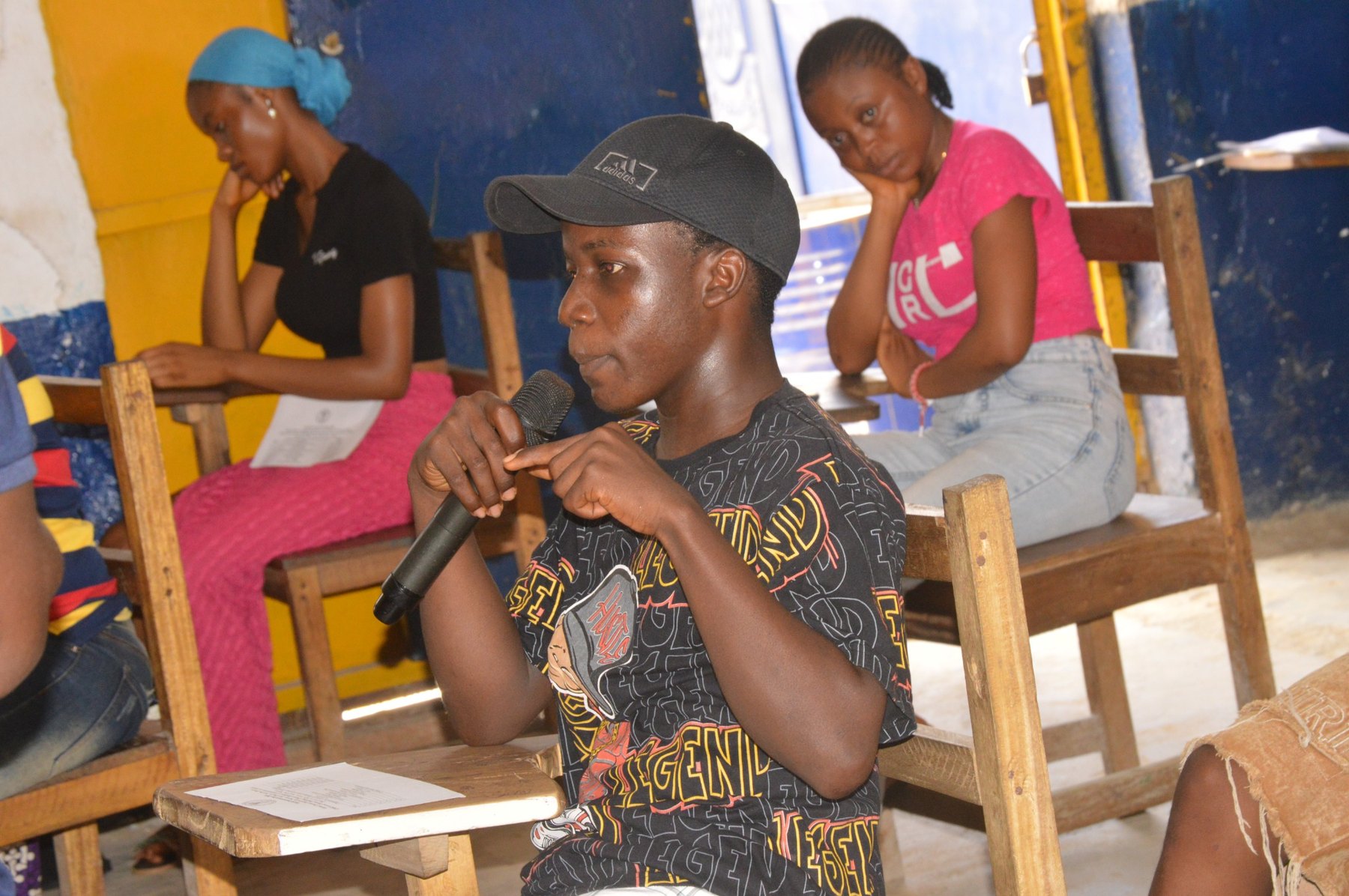
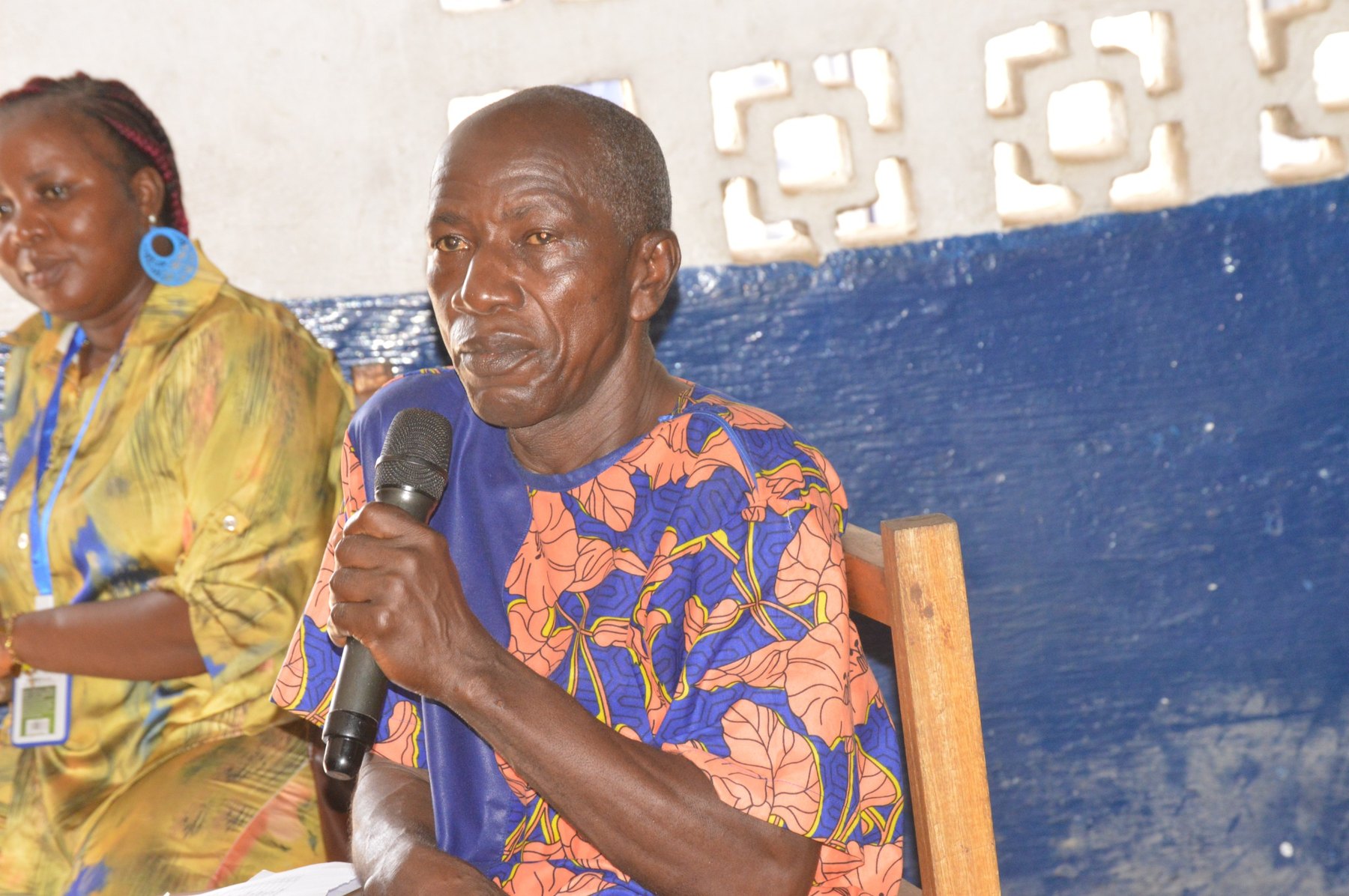
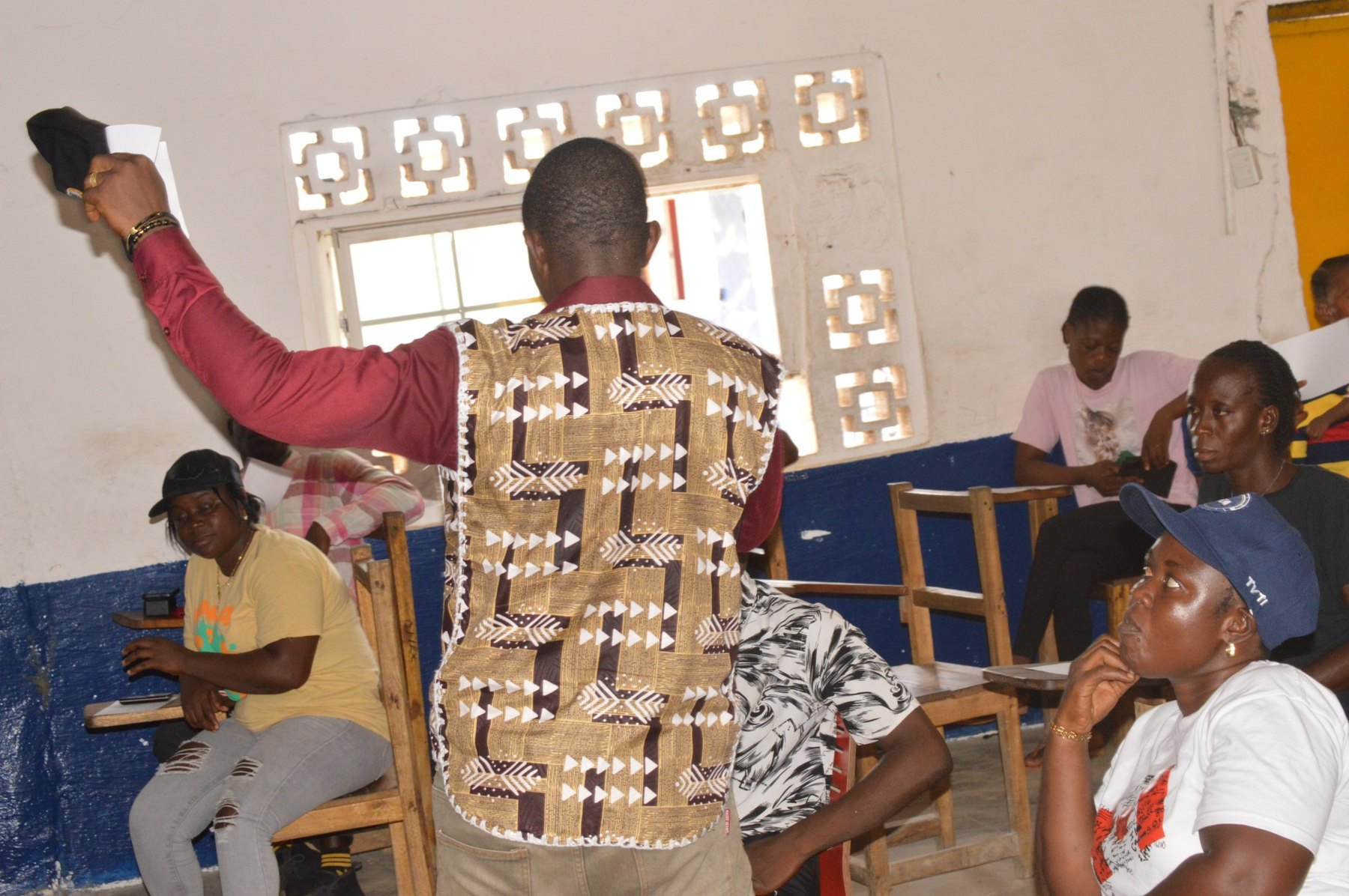
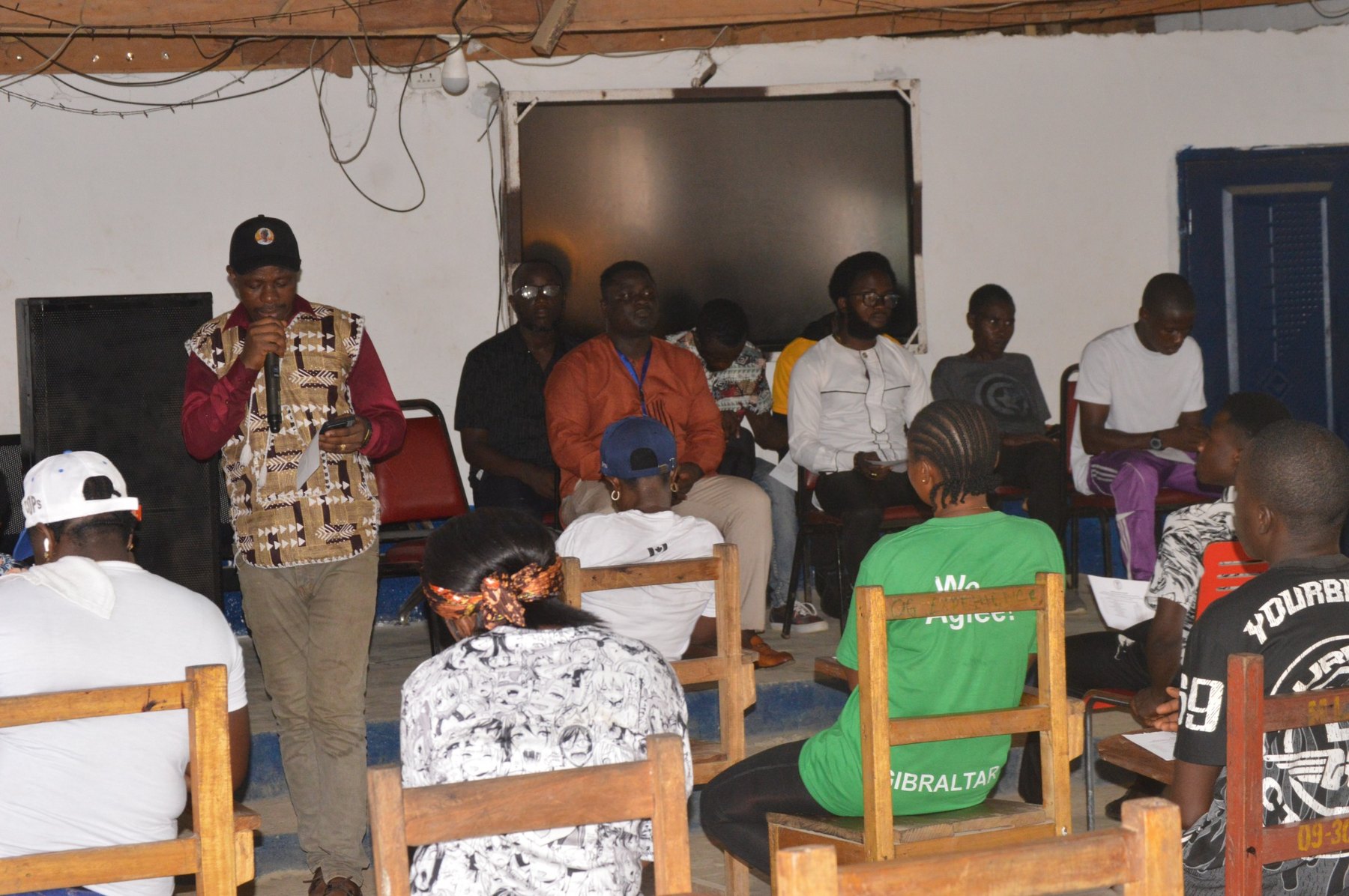
The gallery documents community dialogue, facilitation, participant contributions, and collective reflection during the Clara Town pilot. Student-focused images are intentionally not used on this pilot page.

Learning

What the pilot demonstrated

Community knowledge matters

Residents bring lived experience of flood pathways, recurring environmental problems, household coping practices, and local vulnerabilities that can strengthen resilience planning.

Awareness is an entry point

Dialogue can connect flood risk, environmental behavior, psychosocial wellbeing, preparedness, and community responsibility, but awareness alone is not enough.

The next step is structured action

Future programming should increasingly combine risk identification, mapping, action planning, environmental monitoring, practical risk reduction, preparedness communication, and institutional coordination.

From Pilot to Scale

Building a stronger community-led resilience model

CRAF is using lessons from the Clara Town pilot to strengthen a broader approach to community-led urban flood and environmental resilience. The emerging model seeks to combine community awareness with participatory risk mapping, local environmental action, preparedness planning, inclusive monitoring, and engagement with responsible institutions.

Evidence & Documentation

Supporting records retained by CRAF

CRAF maintains supporting documentation from the pilot, including activity materials, photographs, and attendance records. To protect participant information, attendance records are not published publicly.

Supporting documentation may be made available upon reasonable request for due diligence, partnership review, research, or program verification.