Statement of the problem
Why this study is needed
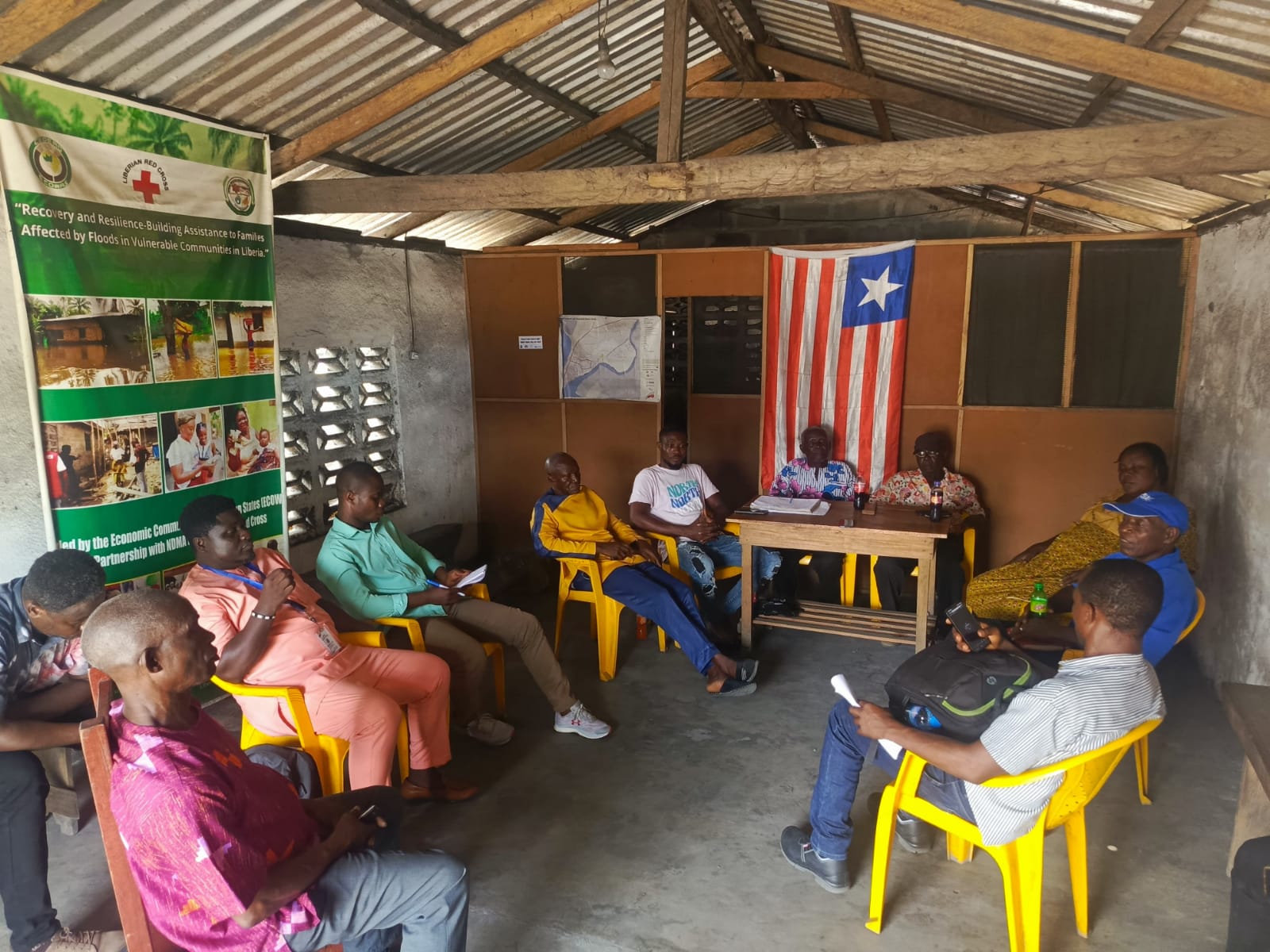
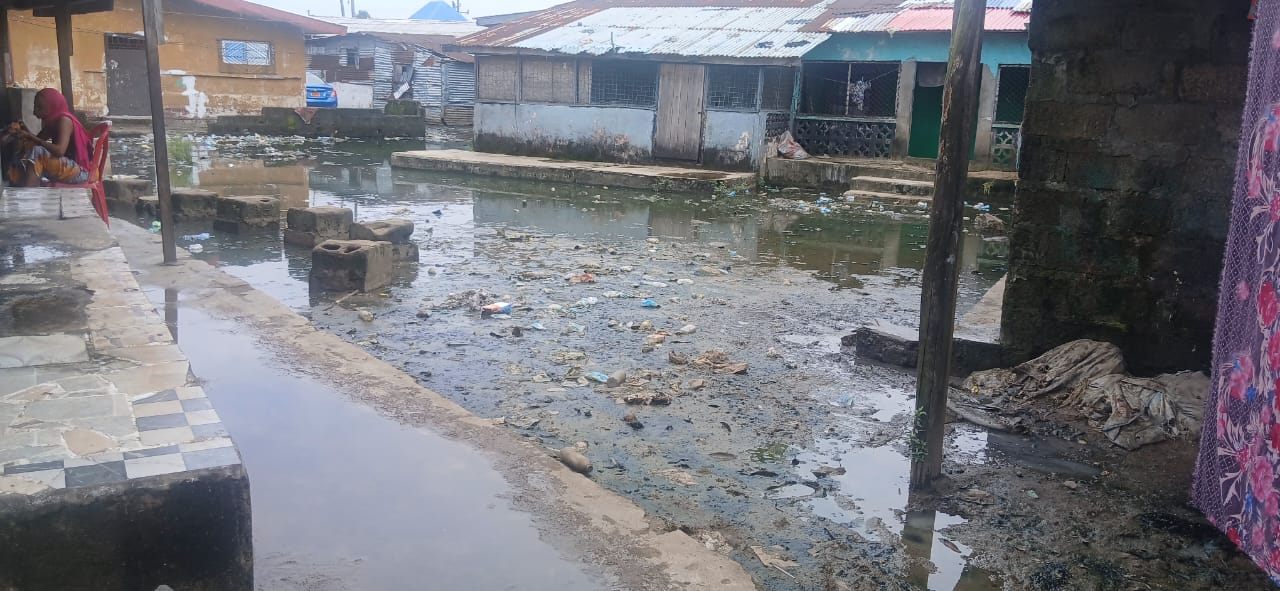
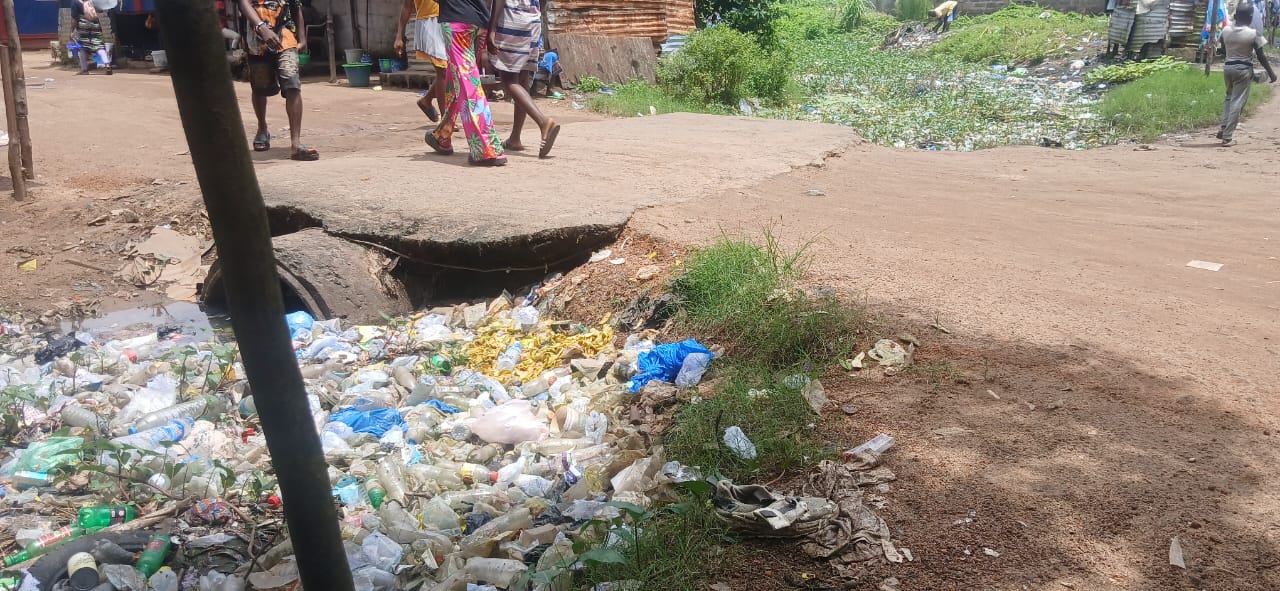
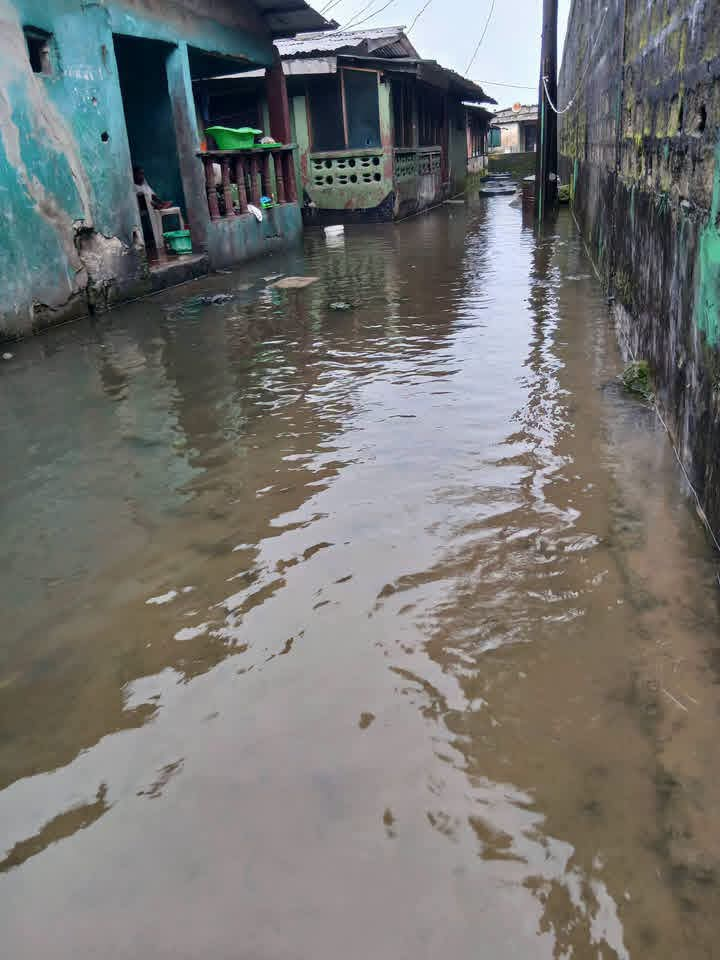
New Kru Town and Johnsonville experience recurrent flooding compounded by inadequate drainage, poor solid-waste management, vulnerable settlements, and limited access to essential services and preparedness mechanisms. These conditions expose households, livelihoods, infrastructure, and community services to recurring physical, socioeconomic, environmental, and psychosocial impacts.
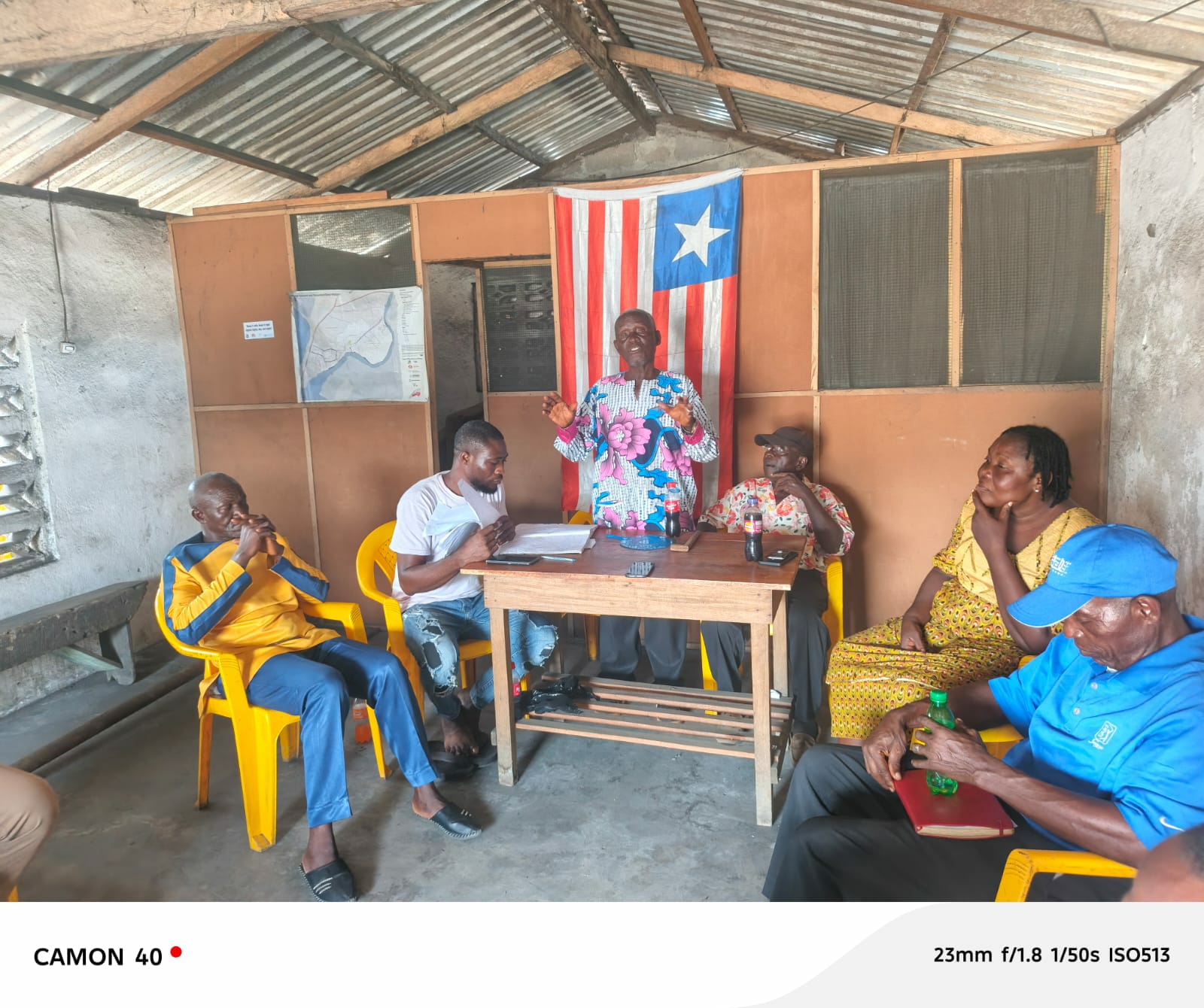
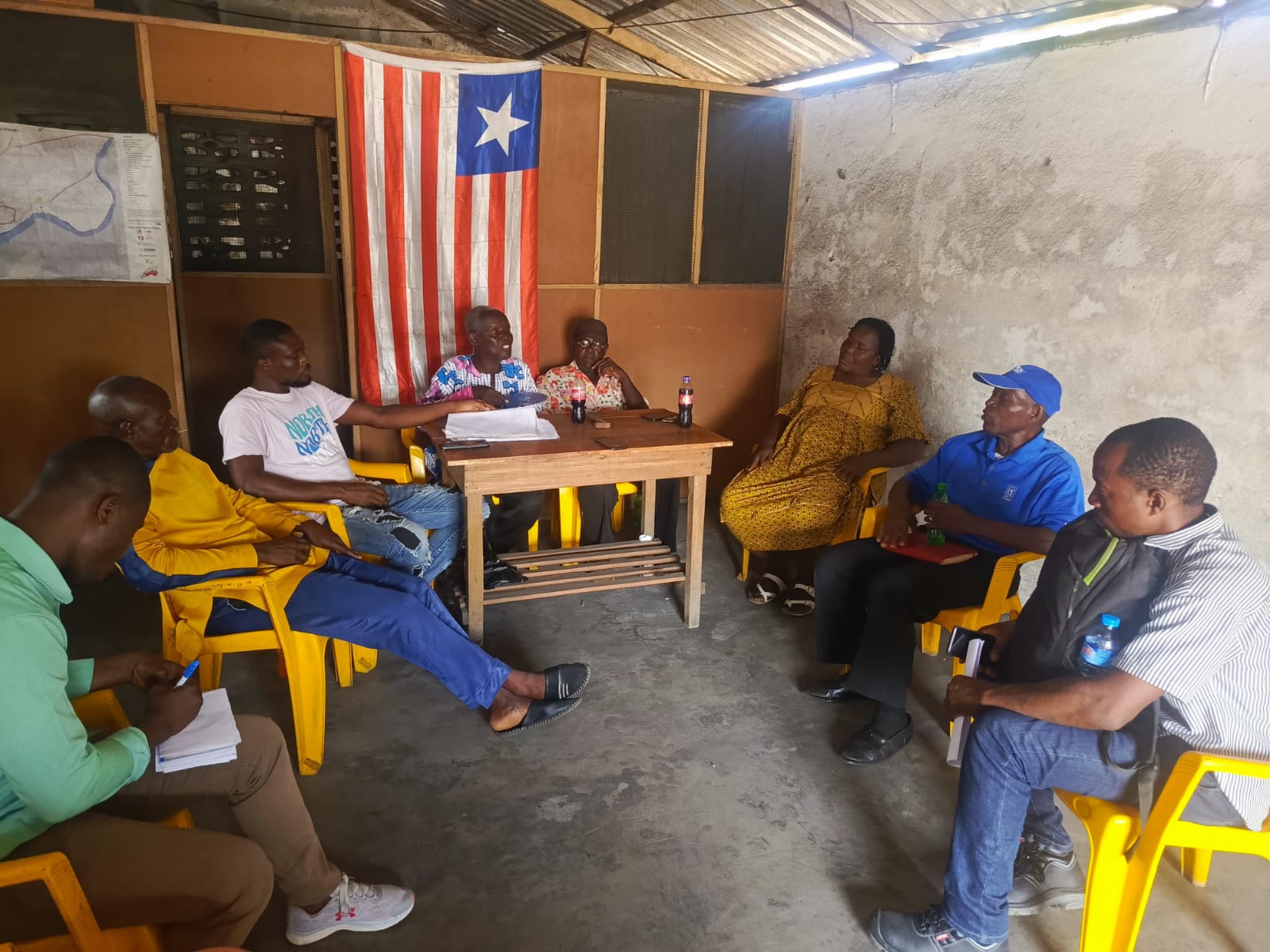
Although disaster-risk and climate information is available, evidence on hazard hotspots, exposure and vulnerability, community coping capacities, early-warning access, local knowledge, and institutional capacity remains fragmented and insufficiently integrated into local planning.
The study therefore examines how community-generated risk information and institutional-capacity findings can be systematically translated into feasible and prioritized climate and disaster risk resilience planning actions for the two communities.